


Is Alpaca Wool Itchy? What Really Causes the Itch
By Peeter · Updated October 15, 2026
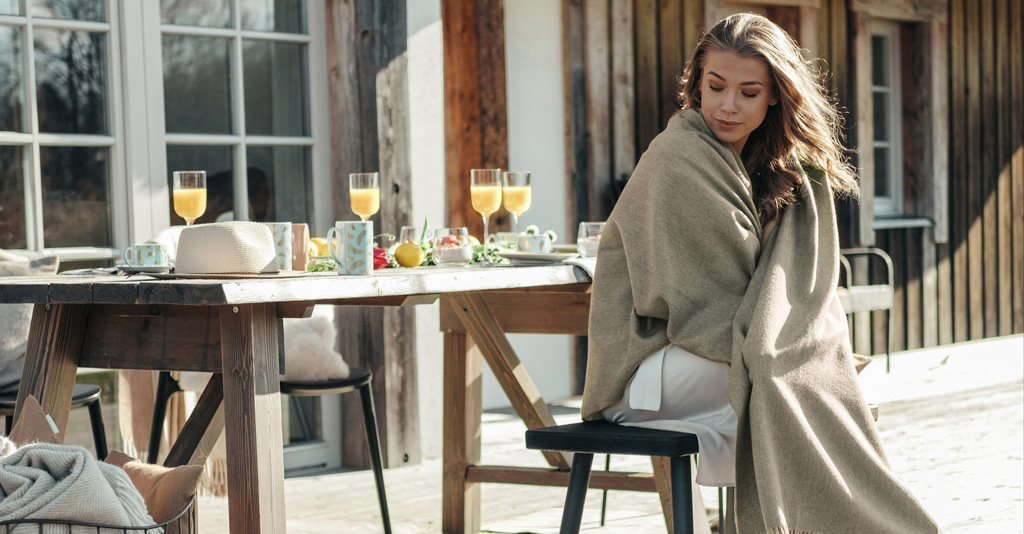
Fine alpaca is gentle on most skin. Wool itch is mostly a mechanical effect: coarse fibres, thicker than about 30 microns, press into the skin and make it prickle. Fine, evenly graded alpaca has few of those fibres and a smooth surface, so it usually feels soft against the skin. Lower grades, blends and coarse knits can still feel scratchy.
If wool has made you itch before, that’s a fair worry. Below we explain where the itch comes from and how to choose a piece you’ll want to wear.
What makes wool feel itchy
The prickle you feel from a wool jumper is usually not an allergy. Researchers at CSIRO found that it is caused by the ends of coarse fibres pushing against your skin. The force a fibre can exert rises steeply with its thickness, so a small share of thick fibres is enough to make a whole garment feel scratchy.
CSIRO wool researchers use about 30 microns as the line. Fibres above it are the ones that cause trouble, and garments worn next to the skin should contain very few of them. A dermatology review reached the same conclusion: skin irritation from wool relates to fibre diameters of roughly 30–32 microns and above.
So the useful question is how fine and how even the fibre in this piece is.
Why fine alpaca usually feels gentle on the skin
Two things work in alpaca’s favour.
Smooth fibre surface. Every animal fibre is covered in tiny scales. On alpaca they lie flatter against the fibre shaft, which reduces the prickly feel. In Australian research, alpaca fabrics felt softer than wool fabrics made the same way, even when the alpaca fibre was slightly coarser.
Fine grades. Alpaca comes in a wide range of grades, from about 15 to 36 microns. Finer grades, such as baby alpaca at around 22 microns, sit well below the 30-micron prickle line.
When alpaca can still feel itchy
Alpaca is not automatically itch-free. These are the usual reasons a piece feels scratchy.
Baby alpaca vs regular alpaca
”Baby alpaca” is a fibre grade, not the age of the animal. It averages around 22 microns, while standard alpaca fleece averages around 26 microns. Both are under the 30-micron line, but baby alpaca leaves more room for sensitive skin. If you react easily, start with 100% baby alpaca for anything worn at the neck. You can read more about what ”baby alpaca” really means.
Some brands also use names like ”royal” or ”superfine”. There is no international standard behind these terms, so treat them as marketing unless the brand gives you a micron figure.
Blends
Many alpaca products are blended with sheep’s wool or synthetics. A blend can feel very different from pure alpaca, because the other fibre may be coarser. Check the composition label: ”40% alpaca, 45% wool” is a different experience from ”100% baby alpaca”.
Sweaters, scarves, socks and yarn
- Scarves and high collars sit on the neck, where many people notice prickle first. This is where fibre grade matters most.
- Sweaters are often worn over a layer. A chunky knit can feel different from a fine one in the same yarn, so try it on.
- Socks can be blended with other fibres, so check the label for the alpaca share.
- Yarn for knitting varies a lot between brands and grades. Ask for the micron range or the grade, and knit a swatch to test against your wrist or neck.
A new knit can shed a few loose fibres and develop a soft halo with wear.
Is alpaca wool hypoallergenic?
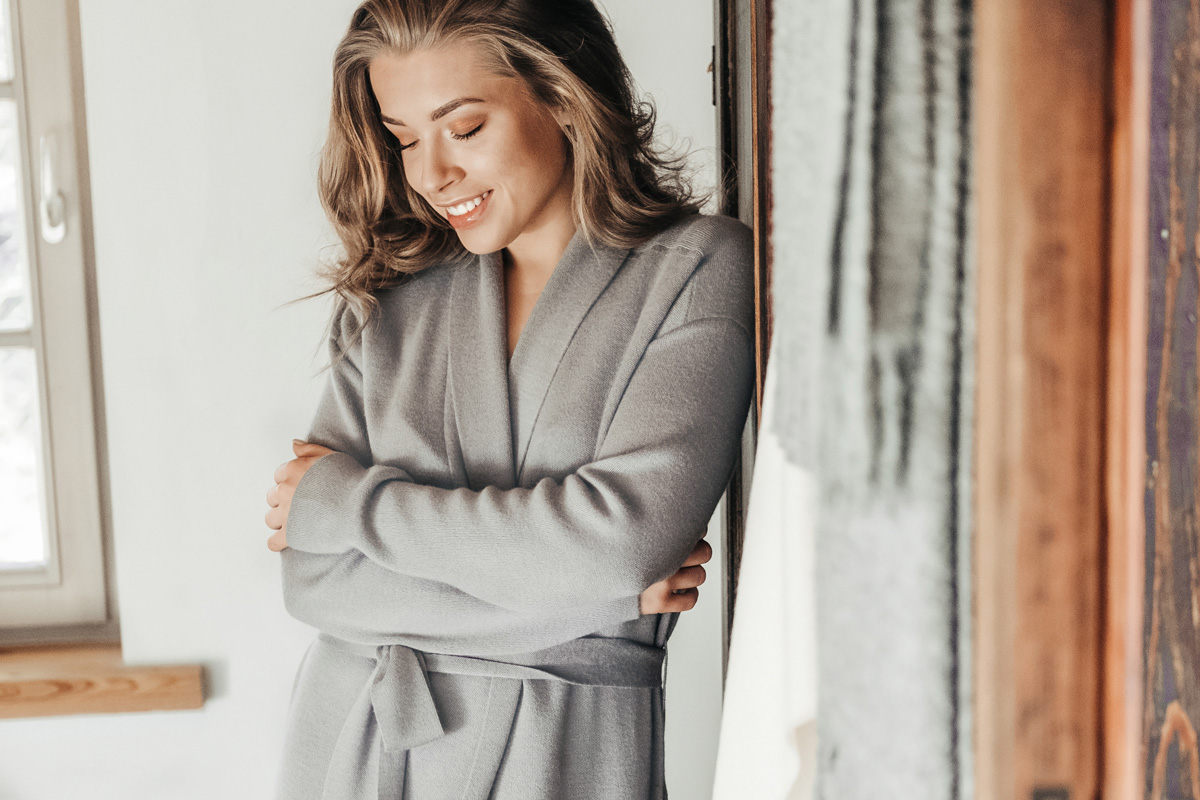
We don’t describe alpaca as ”hypoallergenic”, because we found no reliable testing that backs that label. You may see it explained by alpaca having little lanolin, the natural grease in sheep’s wool. Modern wool processing already removes most lanolin from finished sheep-wool garments, though, and a dermatology review found no evidence that wool fibre itself is a skin allergen.
What this means for you:
- Most ”wool itch” isn’t an allergy. It’s prickle from coarse fibres. Fine alpaca is a gentle choice for most sensitive skin.
- A true allergy is possible. If you have eczema or have reacted to animal fibres before, try a piece against your wrist or neck for a while before wearing it all day. Speak to a doctor or dermatologist if a reaction is strong or doesn’t go away.
Alpaca vs sheep wool and cashmere: how they compare on fineness
| Fibre | Typical fineness | What it means for itch |
|---|---|---|
| Cashmere | 19 microns or less (legal definition) | Very fine; well below the prickle line |
| Baby alpaca | about 22 microns on average | Fine; below the prickle line |
| Standard alpaca fleece | about 26 microns on average | Comfortable for many; test it on the neck |
| Sheep’s wool | very wide range, depending on breed and grade | Varies by breed and grade; check the label |
Sources for the figures: US law (16 CFR §300.19) for cashmere; FAO for alpaca.
Fineness is not the whole story. Thanks to its smoother surface, alpaca can feel softer than sheep’s wool of a similar fineness. Fine alpaca has a smooth, silky hand that many people compare with cashmere.
How to choose an alpaca piece that won’t itch
- Read the composition label. For pieces worn against the skin, look for a high share of alpaca, ideally 100% baby alpaca.
- Ask for the grade or micron figure. A brand that knows its fibre can tell you.
- Match the piece to where you wear it. Neck and face are the most demanding. Throws and outer layers are more forgiving.
- Test it. Hold it against the inside of your wrist or your neck for a few minutes.
- Wash it the right way. Hot water and rubbing can felt alpaca. See care tips below.
Caring for alpaca so it stays soft
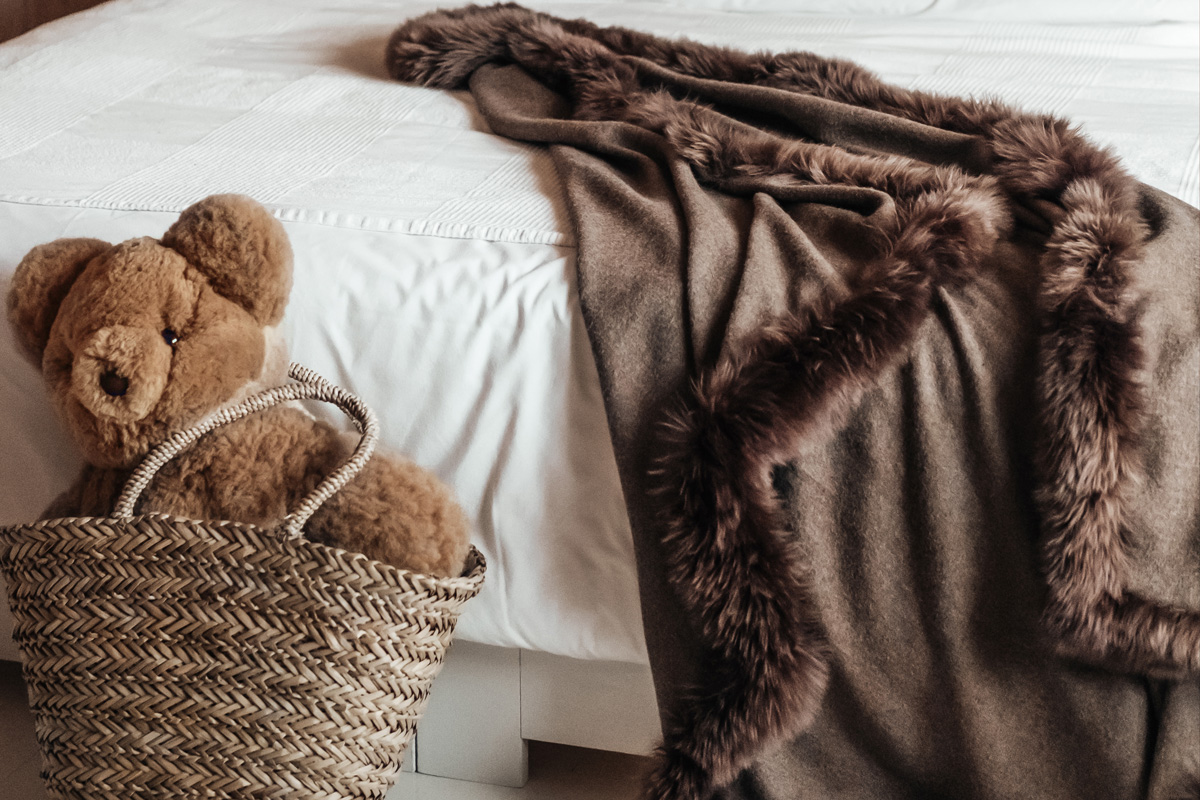
How you wash alpaca affects how it feels after a year. Our product care guide has the full detail; in short:
- We recommend professional dry cleaning by a cleaner experienced with alpaca.
- If you wash by hand, use lukewarm water (30°C) and a mild wool shampoo. Press the water out gently. Never wring.
- Dry flat, in the shade, without stretching. Never tumble dry.
- Make sure the piece is completely dry before you store it.
If a favourite piece gets damaged, our Care & Repair service can help.
FAQ
Is baby alpaca itchy?
Baby alpaca is a fine grade, about 22 microns on average, well under the roughly 30-micron level where fibres start to prickle. Many people with sensitive skin start with baby alpaca for scarves, but test it at your wrist or neck first.
Why is my alpaca sweater itchy?
The usual causes are a coarser grade or a blend with a coarser fibre. Check the label for the composition. If it is pure fine alpaca and still bothers you, wear a thin layer underneath.
Are alpaca socks itchy?
It depends on the yarn. Socks can be blended with other fibres, so check the composition and the alpaca share if your skin is sensitive.
Can you be allergic to alpaca wool?
A true allergy is possible. Research on wool suggests most reactions are prickle from coarse fibres rather than allergy; no comparable study exists for alpaca. If you’ve reacted before, test a small piece first and ask a dermatologist.
If I’m allergic to wool, can I wear alpaca?
If what you felt from sheep’s wool was prickle rather than an allergy, fine, pure alpaca may feel very different. If a doctor has diagnosed an allergy, ask them before switching.
Is alpaca yarn itchy?
It depends on the grade and the blend. Ask the yarn brand for the micron range or grade, and knit a small swatch to test against your neck before starting a big project.
Does alpaca pill?
All fine knits can pill. In lab tests, alpaca knits pilled less than comparable wool knits but developed a soft fuzz.
Choose pieces for sensitive skin. Discover our women’s scarves and shawls, men’s scarves and alpaca throws. For pieces worn at the neck, look for 100% baby alpaca, such as the Scarf Exclusive 200, or wrap up in the Exclusive Alpaca Throw.